SURFACE ABRASION TESTER FOR CONCRETE & MORTAR BY ROTATING CUTTER METHOD - ASTM C944
Abrasion Resistance of Concrete can be used as a measure of its durability. Concrete surfaces may deteriorate in the long run due to abrasion caused by various factors such as sliding, scraping and abrasive materials carried by water etc. Supplied complete with Rotating Device, Agitation Paddle,Test Container and Abrasive Charges. Mould to prepare the sample available at extra cost
Compliance standards :
ASTM C944
Applications :
To determine the resistance of either concrete / mortar to abrasion with the use of rotating cutter. This method evaluates the surface durability of concrete/mortar, especially for highway and bridge applications, by simulating wear from traffic and waterborne particle. It is used as a quality control tool for highway concrete and to evaluate the effectiveness of surface treatments like hardeners or protective coatings. The test also replicates the intense grinding and cutting forces found in industrial environments.
Typical real-world applications include:
- Industrial factory floors and warehouses with heavy machinery (forklifts, pallet jacks).
- Highway and bridge concrete surfaces subject to vehicle traffic.
- Loading docks and airport runways.
Significance :
This test method gives an indication of the relative wear resistance of mortar and concrete based on testing of cored or fabricated specimens. This test method has been successfully used in the quality control of highway and bridge concrete subject to traffic. Primarily intended for use on the top ends of 152-mm [6-in.] diameter concrete cores, mortar specimens, or other samples of concrete of insufficient test area.
Details :
Consists of following main parts and accessories
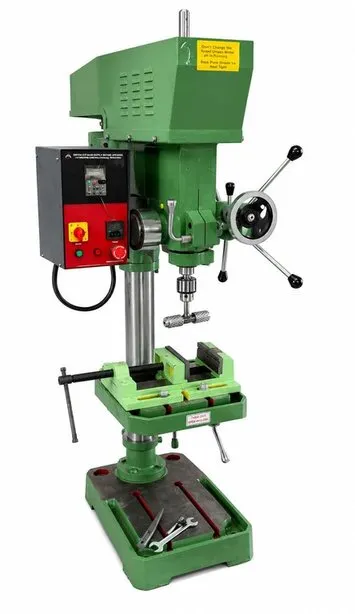
- A drill press with chuck capable of holding and rotating the abrading cutter at 200 rev/min
- Test Specimen clamping device
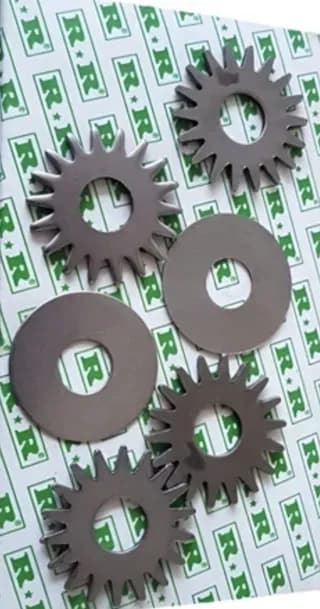
- Rotating cutter (dressing wheels) of 38.1 mm OD, 12.5 mm ID, 2.5 mm thick
- Flat washer of Plain Steel SAE 1⁄2 in. screw size, 17⁄32 in. ID, 1-1⁄16 in. OD, 0.074 in thick
- Handle to raise / lower the spindle
- Base plate to rest the test specimen
- Auxiliary weight 10 kgs
- Basic weight 10 kgs
- Digital counter to count the revolution
Test procedure :
- Specimen Preparation: Prepare concrete or mortar specimens (e.g., cores or slabs) with specified surface finishes.
- Initial Measurement: Measure the initial mass of the specimen to the nearest 0.1 g.
- Secure Specimen: Fasten the specimen securely in the device so the surface to be tested is normal (perpendicular) to the cutter's shaft.
- Mount Cutter: Mount the rotating cutter device in the machine.
- Start Abrasion: Slowly lower the cutter until it just contacts the specimen surface.
- Timed Runs: Run the test for 2-minute abrasion periods, applying a normal or double load.
- Clean & Weigh: After each 2-minute period, remove the specimen, clean debris with a soft brush or air, and reweigh it to the nearest 0.1 g.
- Repeat: Repeat steps 6 & 7 for a minimum of three 2-minute periods, or longer for harder materials like high-strength concrete.
Note :
- End user shall have electronic balance of capacity 4 kg with accuracy of 0.1 gram and Vernier caliper/ Vernier Depth gauge to perform the test as per the standard.
- End user will have to buy Emery Wheel Dresser in quantities as these are the consumable products and each wheel shall be replaced by 90 minutes of test as specified by the standard.