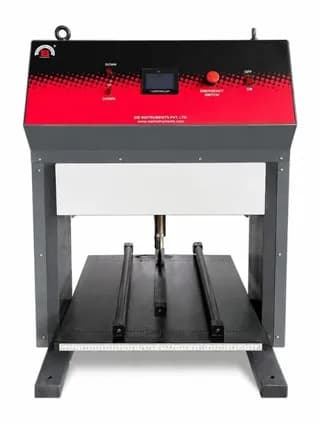
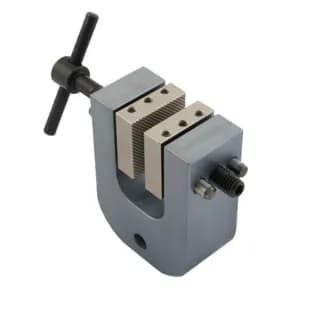
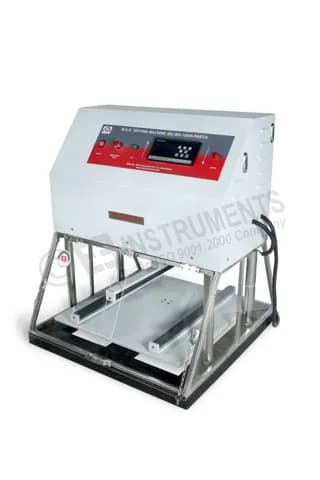
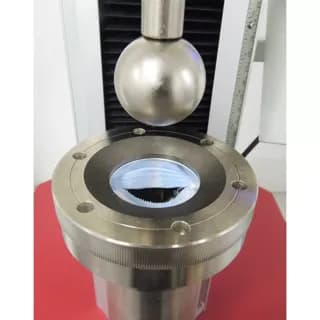
PAVER BLOCK FLEXURAL TESTING MACHINE - IS : 15658 (Annex G)
As per IS : 15658 (Annex G). Electro-Mechanical Design, quite and vibration free operation, Automatic Pace rate control @ 6 KN/min. PC connectivity with software available at extra cost.
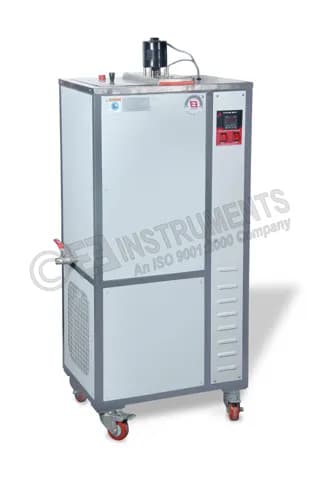
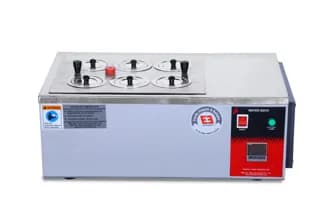
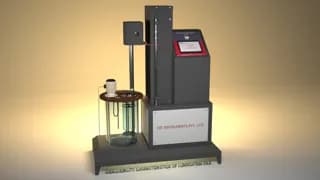
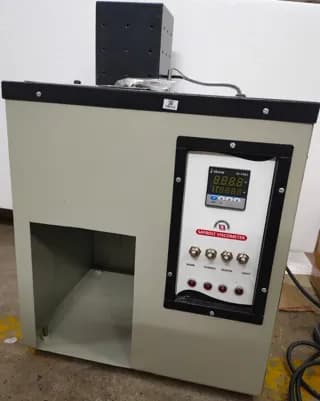
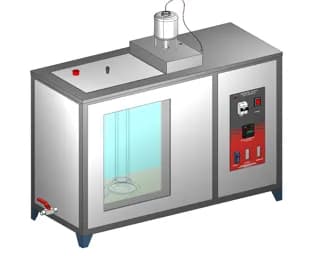
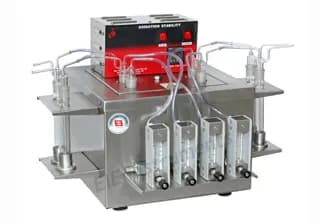
DEMULSIBILITY TEST APPARATUS-(WATER SEPARABILITY TEST APPARATUS)-(ASTM D2711)
The demulsibility characteristics of lubricating oils as per ASTM D2711-22 involve evaluating the oil’s ability to separate from water. This is crucial for applications where water contamination is possible, as the presence of water can impact the oil's performance and protection of machine parts. Here's a summary of the test, along with apparatus specifications and critical dimensions:
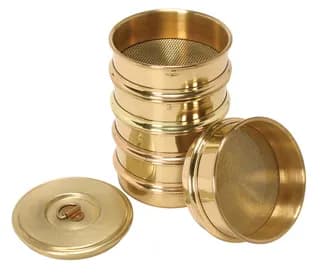
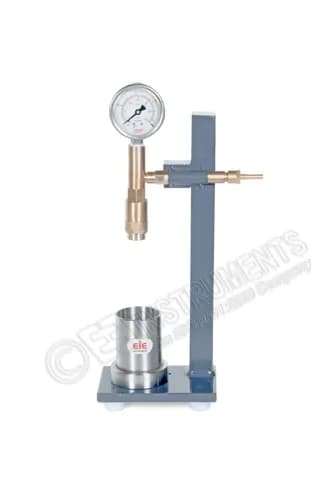
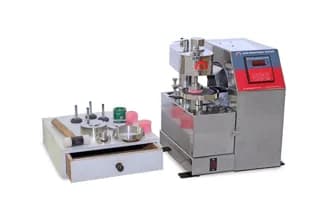
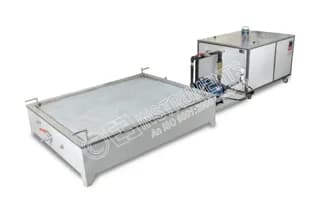
WET SIEVING APPARATUS - (ASTM C430)
The wet sieving process under ASTM C430 is used to determine the fineness of hydraulic cement and fly ash using the wet sieving method. This test helps quantify the residue of cement particles retained on a specified sieve after washing, providing insights into the particle size distribution of the cement. The retained material on the sieve gives an indication of the fineness level, with finer cements generally associated with better reactivity and early strength development.
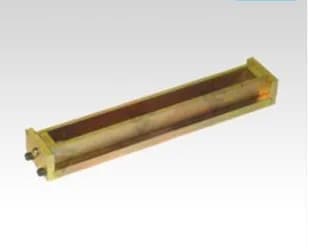
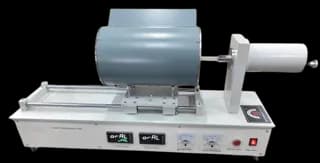
DILATOMETER-(DETERMINATION OF LINEAR THERMAL EXPANSION)-1000 °C-(ISO 10545-8)
A dilatometer is an instrument used to measure the linear thermal expansion of materials when subjected to temperature changes. In compliance with ISO 10545-8, this test is specifically designed for ceramic tiles to determine their thermal expansion characteristics up to 1000°C.
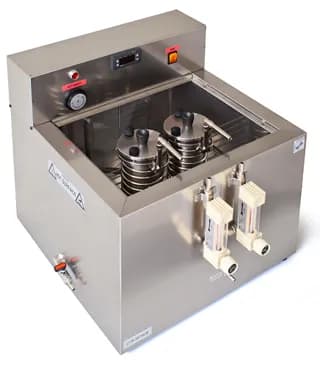
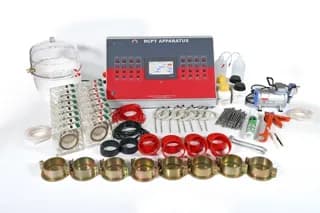
FOUR CELL RCPT
The Rapid Chloride Permeability Test (RCPT) evaluates the resistance of concrete to chloride ion penetration, as per ASTM C1202, AASHTO T277, and equivalent standards. This test measures the electrical charge (in coulombs) passed through a concrete sample over 6 hours, reflecting the material's permeability to chloride ions.