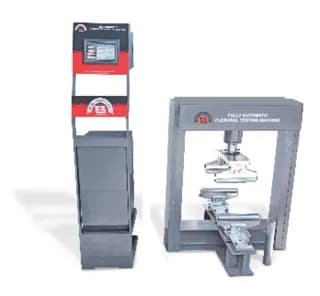
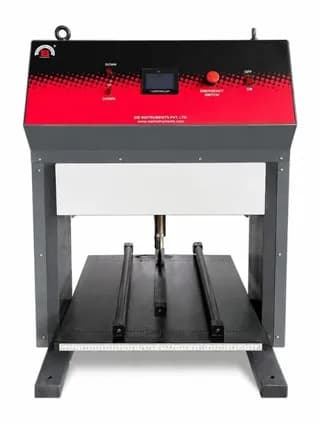
FULLY AUTOMATIC FLEXURAL STRENGTH TESTING MACHINE
As per IS:9399-1979 (R.A.2013)/IS 516 (Part 1/Sec 1) : 2021, BS:1881 and ASTM C78, EN 12390-5, AASHTO T22, Fully automatic test execution. Controllable pace rate from 0.03 KN/Sec to 10 KN/Sec
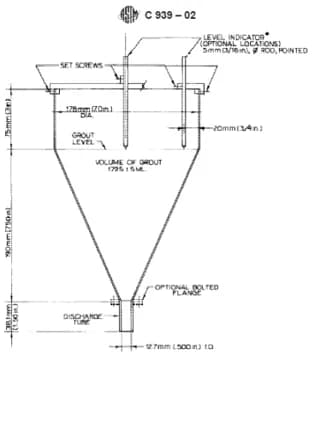
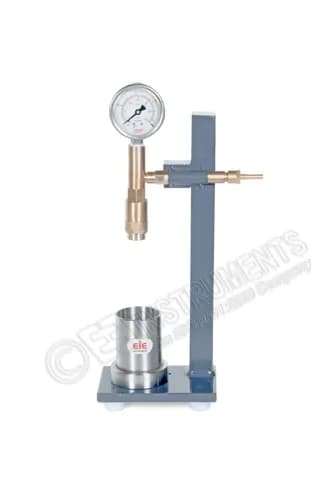
MARSH CONE FUNNEL FOR GROUT-ASTM C939
The Marsh Cone, or Flow Cone, method is used to determine the flowability (efflux time) of hydraulic cement grout by measuring the time required for a specific volume of grout to pass through a calibrated orifice. This test helps assess the fluidity and consistency of grout, which is critical for applications such as grouting under base plates, post-tensioning ducts, or other void-filling operations. As per ASTM C939.
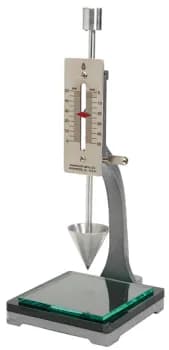
VICAT NEEDLE APPARATUS-FOR GYPSUM TEST
The Vicat needle apparatus is used to determine the setting time and consistency of cement, gypsum, plaster, or similar materials. It assesses how long it takes for a paste to achieve a certain state of stiffness, which is critical for ensuring material usability and performance. As per IS 2542 (P-1), ASTM C472,EN 196-3,BS 4550 Part 3 Section 3.5
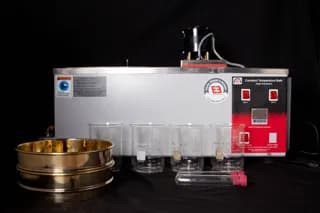
APPARATUS FOR DETERMINATION COAGULATION OF EMULSION - IS-8887, Annex- C
Apparatus for determination of Coagulation of Emulsion at low temperature as per IS-8887 Annex- C, consisting of 2 nos. glass boiling tube (150 X 25mm) with cork with central hole 2 nos. sieve 600 microns, 4 nos. 600ml. beakers and water bath thermostatically controlled for 2 holes.
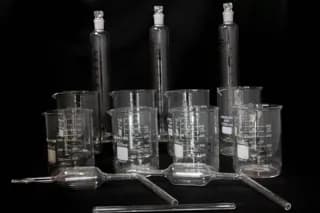
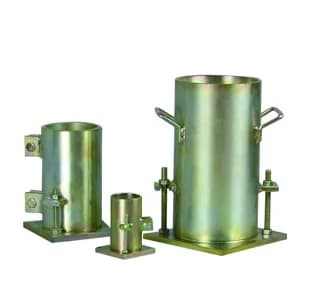
APPARATUS FOR DETERMINATION OF STORAGE STABILITY - IS 8887, ASTM D6930
The test method for storage stability in IS 8887 involves placing a sample of the bitumen emulsion in a cylindrical container and allowing it to stand undisturbed for a specified period, typically 24 hours. After the settling period, samples are taken from the top and bottom of the container, and the difference in bitumen content between the top and bottom is measured.
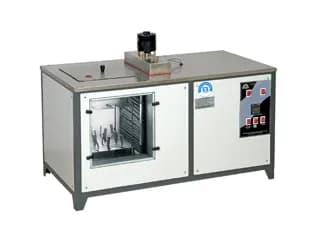
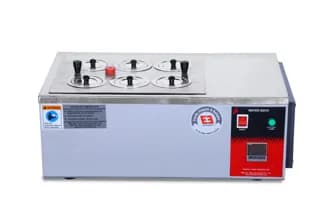
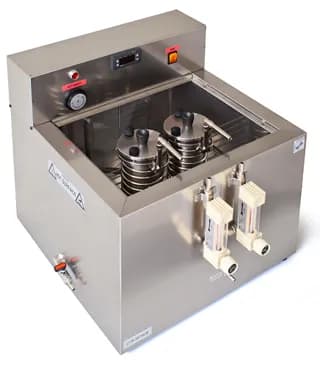
WATERBATH FOR SPECIFIC GRAVITY TEST OF CEMENT
The water bath in general will fulfill the requirements of IS:4031 (Part 11), ASTM C188, EN-196 - Method of Physical tests for hydraulic cement (Determination of Density), Supplied without Le-Chatelier Flasks.
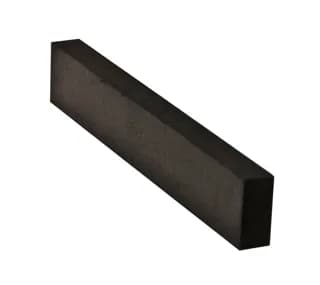
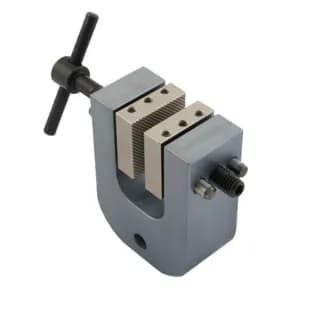
PAVER BLOCK FLEXURAL TESTING MACHINE - IS : 15658 (Annex G)
As per IS : 15658 (Annex G). Electro-Mechanical Design, quite and vibration free operation, Automatic Pace rate control @ 6 KN/min. PC connectivity with software available at extra cost.
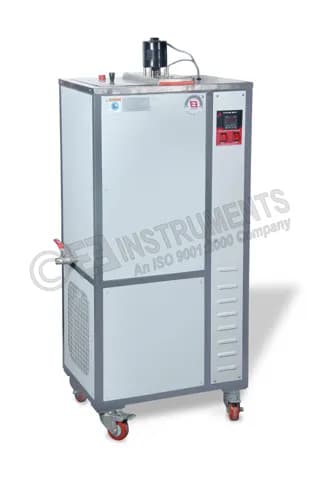
DEMULSIBILITY TEST APPARATUS-(WATER SEPARABILITY TEST APPARATUS)-(ASTM D2711)
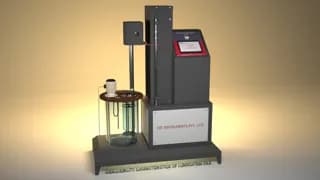
The demulsibility characteristics of lubricating oils as per ASTM D2711-22 involve evaluating the oil’s ability to separate from water. This is crucial for applications where water contamination is possible, as the presence of water can impact the oil's performance and protection of machine parts. Here's a summary of the test, along with apparatus specifications and critical dimensions:
WET SIEVING APPARATUS - (ASTM C430)
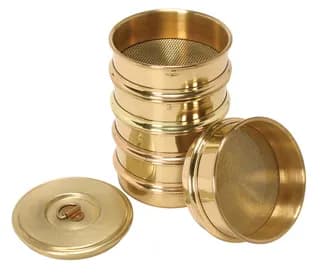
The wet sieving process under ASTM C430 is used to determine the fineness of hydraulic cement and fly ash using the wet sieving method. This test helps quantify the residue of cement particles retained on a specified sieve after washing, providing insights into the particle size distribution of the cement. The retained material on the sieve gives an indication of the fineness level, with finer cements generally associated with better reactivity and early strength development.
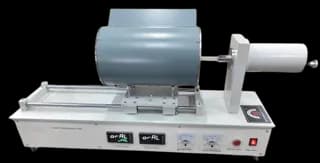
DILATOMETER-(DETERMINATION OF LINEAR THERMAL EXPANSION)-1000 °C-(ISO 10545-8)
A dilatometer is an instrument used to measure the linear thermal expansion of materials when subjected to temperature changes. In compliance with ISO 10545-8, this test is specifically designed for ceramic tiles to determine their thermal expansion characteristics up to 1000°C.